Showing posts sorted by relevance for query raccoon. Sort by date Show all posts

Jul 20, 2009

Know your Neighborhood Wildlife - The Raccoon

By KATHERINE McGILL, TOM PIPERSON & BIRGIT SOMMER
July 20, 2009

Most folks in the US and Erath County have encountered the resourceful raccoon, or at least have dealt with the mess or damage these furry creatures leave behind in their foraging activities. But coexisting with these intelligent animals is not so much of a nuisance once you understand their place in the ecosystem.
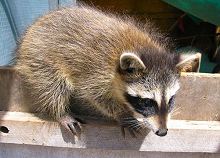
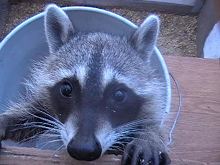
Raccoon

Raccoons are medium sized mammals but do not belong to the rodent family.

They are loosely related to the red panda bear and can be found almost anywhere in Texas and throughout the US where there is water and food.

Like the black bear, the raccoon is opportunistic and insatiably curious. If you find yourself outwitted by a raccoon, don’t take it personally. The raccoon’s intelligence is second only to higher primates, according to researchers at Purdue University. Studies have shown that raccoons are able to remember the solution to tasks several years later.

While raccoons control populations of rodents, reptiles, insects, and snakes, they also add berries, fruits and vegetables to their diet, as well as poison ivy berries, controlling the spread of this noxious plant. According to legend, raccoons are fearless feeders that will eat an entire wasp nest or even gang up on a rattlesnake. Humans, coyotes, mountain lions, and birds of prey are the raccoon’s natural predators. Raccoon

Possession of a raccoon is illegal in Texas, but permits are available through the Texas Parks and Wildlife Department for wildlife rehabilitators and researchers. These laws have not stopped a few well-meaning folks from attempting to raise a raccoon as a pet, which typically has a tragic ending. The animal becomes destructive while deprived of its natural habitat or law enforcement intervenes, confiscates and euthanizes the animal while issuing a hefty citation to the owner.
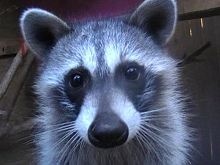
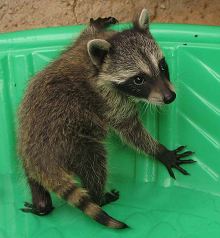
Raccoon

Although exceptional climbers, very clever, and gifted with an excellent sense of smell, the life span of a raccoon in the wild rarely exceeds two to four years.

Some of the primary hazards faced by raccoons include hunting, trapping, dogs, and automobiles, and a lack of understanding or tolerance for their instinctual behavior.

It seems more than mere evolution that they wear a distinctive bandit mask, as anyone who has been a victim of their food seeking behavior can attest.

If you desire to keep wild animals away from your property, the raccoon may give you a challenge. Ammonia soaked rags or ground red pepper near entrances will help, later sealing the entry. Be sure to give a mother time to remove her babies lest you trap them and cause yourself a worse mess. In time, when the babies are older, they will all move out anyway.

Obviously, figuring out how to secure pet food and trash cans is your best bet – and challenge. A simple bungee cord is no match for the wise and dexterous raccoon!

To be sure, generations before us managed to coexist with wildlife, and survived all the risks and fears that are still with us today, such as the myth about raccoons as carriers of disease. There has only been one confirmed case of a rabies infected raccoon in Erath County since 2001 and that was accredited to a skunk bite. Human rabies deaths are nearly zero in the US, except for a few unfortunate victims bit by a rabid dog while visiting a foreign country.

Most wildlife experts agree that distributing rabies vaccine into the wildlife population using bait is the most effective prevention method for permanent eradication of the virus.

Rabies vaccine oral bait drop programs have been used in affected areas thru the US with tremendous success.

Raccoons, skunks, bats, foxes, and coyotes are called RVS species, or rabies vector species, meaning they are susceptible to this disease if they are not vaccinated.

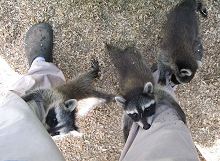
Raccoon

According to the US Centers for Disease Control, the unvaccinated population (humans, unregistered pets, other mammals and rodents) must be infected by the saliva or bite from a rabies infected animal in the contagious phase of the disease. A rabid animal is only considered “contagious” when the disease has affected the brain. At this late stage, the animal is noticeably ill.

Rabies in wild animals can only be determined by sending its brain to a lab for testing. Hundreds of thousands of brains are submitted; relatively few return a positive result. Yet each year some 25,000 people receive post-exposure “just in case” rabies shots which can skew statistics. But testing is a costly process for the US.

Because rabies is a potentially fatal health concern, experts encourage simple preventive measures such as vaccinating pets and not handling wildlife.

Parasites are another potential hazard, although wild raccoons are immune to it, but do sometimes carry, what is malignly called “the raccoon roundworm”, or Baylisascaris procyonis.
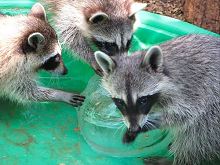
Raccoon

In reality, over 90 species of both wild and domestic animals can host this roundworm. Keeping pets dewormed is common sense, also not eating poop, which may be a concern for small children.

To date, less than 30 cases of B. procyonis have ever been recorded in humans in the US.

Contrary to popular belief, observing a raccoon out during daylight hours does not mean the animal is ill. Although nocturnal animals, by definition, never venture out during the day, it is common for mother raccoons and adventurous youngsters to be seen in the daytime, particularly in neighborhoods with little threat of danger.

A sick animal will show obvious symptoms. Raccoons pant and can even sweat when overheated. Distemper disease is often mistaken for rabies in raccoons. The best way to prevent distemper is to vaccinate all cats and on regular basis.

If you encounter a sick, injured, or possibly orphaned animal, you can find a list of licensed wildlife rehabilitators on the Texas Parks and Wildlife Website. If the animal is not in immediate danger from predators or the elements, leave the animal there until you speak with a rehabilitator. They are volunteers of the state trained to assist wildlife and will give you the best advice possible. Those who work with wild animals will tell you – they have never met an aggressive animal, only a scared one.

Erath County has its own licensed wildlife rehabilitator. Birgit Sommer is the director of the Rainbow Wildlife Rescue, a non-profit organization, located on the south-east side of Stephenville. If you have any questions about local wildlife or found an injured or orphaned animal, you can obtain important information on her website located at www.rainbowwildlife.com or call her at 968 - 4626.

Raccoon

Let us not forget that raccoons have but one goal – to survive. After all, snakes, mice, and poison ivy berries are the real nuisances we are much better without.
--------------------

Thank you to KATHERINE McGILL, who provided the groundwork for this article. You can visit her Sunchaser Wildlife Website HERE!

Thank you Tom Piperson for the editing and final polishing!

Disclaimer: The information provided in this article is the property of the Rainbow Wildlife Rescue. The RWR holds all copyright interests in such material, unless specifically indicated. Permission to reprint is given with credit to the Rainbow Wildlife Rescue and noted authors.

Jul 27, 2008

Rabies Info

Raccoon Rabies Info
WARNING! If you believe you have been exposed to rabies, call your doctor, health department or clinic immediately! Rabies is a serious disease and, if left untreated, can cause painful DEATH!

Any direct contact with a wild animal needs to be taken seriously even if an animal appears to be healthy. Rabies incubate in a raccoon for some time before symptoms appear. Many symptoms of distemper in raccoons, which is NOT transmittable to humans and is still far more prevalent than rabies in raccoons, are very similar to the symptoms of rabies.

Unfortunately the only way to guarantee that the raccoon does not have rabies, is for it to be killed for testing. Even if it is a little baby raccoon. Depending upon your area, it may be illegal not only to have a raccoon but to not report any possible risk of exposure to rabies from a raccoon. Don't let a perfectly healthly animal lose it's life because of you. The best way to protect wildlife is to leave it in the wild and leave it alone.

The best way to protect yourself, your family and your pets from all strains of rabies is to have your pets vaccinated, keep away from stray or wild animals, and call your doctor if you think you may have been in contact with a rabid animal.


WHY SHOULD I READ ALL OF THIS?


You don't have to read ALL of this. You SHOULD read at least the blue text in any answers.
(The black text provides more detailed information for those wishing same.) WHY? Because when it comes to rabies, ignorance can kill. Not just you or your pets, but innocent and healthy wildlife. Raccoons are the number one wild animal killed for rabies testing. Dogs and cats top the list of domestic animals killed for rabies testing. In both these and other animals, the vast majority are found NOT to have rabies. They must pay with their lives because people have possibly been exposed to rabies by them. If these same people had taken precautions against possible exposure to rabies, these animals would still be alive. Don't be responsible for the death of an innocent animal. Learn about rabies and learn how to protect yourself, your family, your pets and our wildlife.


WHAT IS RABIES?

Rabies is a virus germ with several kinds or strains that attacks the brain (and central nervous system) of warm-blooded animals (mammals). It uses foxes, skunks, bats and raccoons as carriers to spread the disease. It can spread to other wild or domestic animals, including cats and dogs, and to humans. The virus proves fatal to most infected animals and humans. It can kill a person who is not treated and has had contact with an animal that has rabies. The disease can cause confusion, breathing problems and fits (seizures). These signs may not show up for two to eight weeks or more. By then, there is no cure and the person will probably die.
Rabies is described in medical writings dating from 300 BC, but how it was trasmitted was not known until 1804. In 1884 the French bacteriologist Louis Pasteur developed a vaccine to prevent rabies, and modifications of Pasteur's methods are still used today. In 1885, Pasteur created the first successful vaccine against rabies for a young boy who had been bitten 14 times by a rabid dog. Over a period of ten days, Pasteur injected stronger and stronger rabies virus into the boy, causing the boy to develop immunity in time to save his life.


Rabies (Hydrophobia) is a serious zoonitic (can pass from animal to human) virus infection of the central nervous system and is found in the saliva and certain body materials (brain tissue or cerebral spinal fluid, for example) of rabid animals and humans. Animals that are commonly infected include dogs (especially wild dogs), bats, skunks, foxes, coyotes, and raccoons. Due to a lack of dog vaccination and control programs, dogs remain the major vector in Third World countries. Other common vectors are domestic cats, jackals, mongooses and, particularly in countries in western Asia, wolves. However, the range of infected animals in Third World countries is so wide (including livestock and rodents) that rabies should be suspect in any animal bite. Although some mammals are more susceptible to some strains of rabies, any animal can be infected by any strain of rabies. It is transmitted by the saliva of an infected animal that passes to humans (or other animals) through broken skin or a mucous membrane. The virus travels slowly from the bite area to the brain. Body parts involved include the central nervous system--including the brain, the coverings of the brain (meninges), and the spinal cord – and peripheral nerves as well as body parts bitten by the rabid animal.


WHAT IS RACCOON RABIES?


Raccoon rabies is a strain of rabies carried mainly by raccoons. Raccoon rabies is rabies. It can be spread to farm animals, pets and people through the saliva of an infected animal in the same ways as other strains of rabies. Raccoon rabies kills raccoons, other animals and humans in the same way as other strains of rabies do. The only difference is that it is spread primarily by raccoons.


Raccoon rabies was first noted in Florida in the 1940s. This strain of rabies virus in the raccoon population has slowly spread northward from the southern United States. Since 1977, rabies among raccoons has become an epizootic
(a disease affecting many animals of one kind at the same time), spreading steadily northward from the Central Atlantic States. The epizootic finally reached the southern tier of New York State in 1990. In 1993, the first case of rabies in raccoons resulting from this epizootic was confirmed in New York State and in 1995 the state showed continued spread of raccoon rabies into previously unaffected areas and a second wave of rabid raccoons in areas first affected by the rabies epizootic. It is now well established in New York. This raccoon rabies, a strain not found in Ontario, is now at Ontario's southern border where it will not cross without a fight from a very prepared government. The raccoon rabies epizootic is also moving westward from Pennsylvania into Ohio. For more on raccoon rabies, see "What is being done to stop the spread of rabies?" near the bottom of this document.


IS IT TRUE THAT NO HUMAN EVER CONTRACTED RACCOON RABIES?


Last month it was true that no human ever contracted raccoon rabies. Last week it was true also. But what about today? Tomorrow? Note too that most people seek recommended (and in some areas legally required) medical attention following possible exposure to raccoon rabies, thereby almost completely eliminating the risk of contracting the disease. The first human who contracts raccoon rabies will, in all probability, die.
And although no human rabies cases have been associated with the raccoon rabies epizootic, the number of people receiving postexposure prophylaxis (average cost: $1,500 per patient) for potential exposures to rabid animals have increased dramatically in states affected with the raccoon rabies epizootic. Do not panic and think that every raccoon you see is rabid. Respect the fact that they, along with foxes, skunks, etc., are wild animals and that COULD carry rabies and avoid contact.


HOW DO YOU GET RABIES? HOW IS RABIES TRANSMITTED?


Rabies is carried in an animal's saliva. You can get rabies if you are bitten or sometimes even scratched or licked by an animal that has rabies or if its saliva comes into contact with a cut or a scratch, or the moist tissues of your mouth, nose or eyes.

Rabies is usually contracted from the bite of a rabid animal, but on rare occasions, contact of virus-laden saliva with broken skin or moist tissues of the mouth, nose or eyes may be sufficient to transmit infection. Bites to the face and hands carry especially high risk. Less common modes of transmission include scratches from animals with contaminated claws; contamination of mucous membranes or scraped skin with infected saliva (as a result of licks, for example) or with infected body material, unless the material is dry. The saliva of an infected animal can spread rabies even before there are any signs of the disease. In rare instances, airborne spread can also occur, as has been demonstrated in caves densely inhabited by infected bats. Skunks have been infected experimentally by being fed infected animals, hopefully for the purpose of trying to develop a lasting vaccine. In recent years, there have been four reported cases of human-to-human rabies transmission by corneal transplants.


HOW CAN YOU TELL IF AN ANIMAL HAS RABIES?


Animals with rabies often change their behavior. Some animals may become depressed and lose their fear of humans, while others show extreme excitement and aggression. In early stages of the disease, the animal may show no signs at all. Pets may lose their appetites or become unusually aggressive, depressed or lethargic (sluggish). The animals' movements may seem awkward and stiff. Wild animals may seem friendly or become unusually aggressive. Night-roamers like raccoons and skunks may wander about in daylight. But remember some usually nocturnal animals, like raccoons, may be out in the daytime just looking for food – especially if it is a mother raccoon who has babies still in the den or a raccoon whose natural habitat has just been destroyed. If you think an animal has rabies stay away from it. If it is a family pet, isolate it. Do not get saliva from the animal on your skin. Immediately call your veterinarian, humane society or animal control agency. The rabies virus can be found in animal saliva days before any obvious symptoms develop. However, all animals that have the virus will develop symptoms and eventually die of the disease. Some symptoms of distemper may be mistaken for rabies. Canine distemper is also a viral disease, spread by direct or indirect contact. It kills more raccoons than any other disease. It has wiped out complete raccoon populations in some areas. It is the prime cause of death of young raccoons. Canine distemper cannot be transmitted to humans. All warm-blooded animals can transmit rabies, however.


Rabies can manifest itself as "dumb" (paralytic) or "furious" (irritable) rabies.
In dumb rabies some animals may become depressed and retreat to isolated places; wild animals, especially skunks and raccoons, may lose their fear of humans; animals may show signs of paralysis such as abnormal facial expressions, drooping head, sagging jaw, or paralyzed hind limbs. The stages of furious rabies are similar to those through which an infected human passes. In furious rabies animals may show extreme excitement and aggression, gnaw and bite their own limbs, and attack stationary things or other animals. These bouts of furious rabies usually alternate with periods of depression.
Early signs of rabies in animals include altered disposition, fever, loss of appetite, and often, altered phonation, such as a change in tone of a dog's bark. These signs are often slight, however, and may escape notice. After a few days, marked restlessness and agitation may develop, along with trembling. An affected dog may growl and bark constantly and will viciously attack any moving object, person, or animal it encounters. If not restrained, it may leave home and travel great distances, inflicting much damage as it goes. This excited state usually lasts three to seven days and is followed by convulsions and paralysis. In some instances, signs of excitement and irritability are slight or absent, and paralysis develops within a few days of disease onset. In cases of this type, an early sign is often paralysis of the lower jaw, accompanied by increased salivation. This may cause the animal to appear to be choking on a foreign object, constituting a dangerous trap for humans, who, in attempting to be helpful, may unwittingly expose themselves to infection.


WHAT SHOULD I DO IF I AM EXPOSED TO RABIES?


If you think you have made contact with a rabid animal immediately wash the affected skin area with soap and water. Call your doctor or clinic or go to the nearest hospital emergency department. If saliva from the animal is on your clothing, wash it immediately in hot, soapy water BUT DO NOT TOUCH THE SALIVA.


After a person is bitten or otherwise exposed, a physician should be reached as soon as possible. One valuable preventive measure is to clean the wound immediately with soap and water or even water alone to remove saliva from the area. The wound may then be squeezed to promote bleeding, since this will also help to clean it. If the animal is killed do not dispose of it until you have advised the physician or health department and inquired as to preserving the head until it can be examined by pathologists. Don't panic. The incubation period allows time for diagnosis and treatment.


WHAT SHOULD I DO IF I THINK MY PET HAS BEEN EXPOSED TO RABIES?


The aggressive behavior of some infected raccoons will sometimes prompt it to attack humans, but more often it will end up tangling with a pet, usually a dog or a cat. That is why it is critical for pets to receive the rabies vaccine. Make sure your dogs or cats have their rabies shots when they are supposed to – KEEP YOUR PETS’ RABIES SHOTS UP TO DATE!! Dogs and cats often get into fights with wild animals. If you witness a fight, or if your dog or cat comes home with injuries from a fight and you think your pet may have made contact with a rabid animal, don't handle your pet. There may be fresh saliva from the rabid animal on its coat. However, to reduce the risk of your pet's becoming infected, some sources recommend that the exposed areas, especially cuts and scratches, should be washed with soap and warm water as soon as possible. Elbow length rubber gloves should be worn while doing this. Isolate the pet at once. Contact your veterinarian, animal control agency, humane society branch. Your vet may require that the pet have a booster dose of the vaccine within five days of exposure. If your pet’s rabies vaccinations are not up to date, it may have to be quarantined (up to four months) until the incubation period has safely passed or, if the pet if infected, it dies or is destroyed. There is no treatment for animals infected with rabies - only death. So be smart, make sure your pets’ vaccinations are up to date now!


WHAT SHOULD BE DONE WITH THE SUSPECTED RABID ANIMAL?


If at all possible, a dog or cat inflicting a bite should be captured alive and kept under surveillance. This may make it possible for the bitten individual to avoid undergoing rabies vaccination unnecessarily. While such postexposure prophylaxis is not painful as it was in the past (when a series of 23 needles was injected into the stomach wall), it is expensive, with the average cost in 1997 being $1,500 per patient. If the animal remains healthy under confinement and veterinary observation for the quarantine period (up to four months in an unvaccinated animal!), it is usually assumed to not be infected. If, however, the animal becomes ill or dies, the local health department should be notified immediately and steps taken to ascertain whether the illness is rabies.

When the dog or cat cannot be captured alive, but must be killed, damage to the brain should be avoided. The head will be sent to the diagnostic facility indicated by the local health department. Do not dispose of the animal until you have advised the physician or health department and inquired as to preserving the head until it can be examined by pathologists. While new methods of diagnosis in living animals are under study, most authorities recommend or require that any wild animal that bites a person without provocation should be killed and the brain examined immediately for rabies. It is not known how long virus is present in the saliva of wild animals prior to their showing clinical signs of rabies.


If you try to touch a wild animal, it might bite you because it has rabies. It might bite you because it is scared. It might bite you because it is a mother with babies nearby. Because it bit you, the animal must be killed and tested for rabies. Protect yourself. Protect wildlife. Don’t touch!

The simple act of possibly having exposed yourself to rabies from a possibly infected animal such as a raccoon can result in a perfectly healthly animal being killed so that it’s head can be sent for testing! Save wildlife. See how to protect yourself and your pets from rabies!

If the biting animal escapes or is unknown, determination of the probable risk of rabies must be made by a local physician. The degree of risk is judged on the basis of such factors as the prevalence of rabies in the area, the species of the biting animal, the severity of the wound or wounds, and whether the attack was provoked or unprovoked. Only your doctor, clinic or hospital can make this judgment.

Excepting Third World countries, rodents, including squirrels, are rarely infected and unless a bite was entirely unprovoked, the possibility of rabies is usually dismissed. Check with your doctor. Bat bites, on the other hand, are small and may possibly go unnoticed, so postexposure treatment may be advised after physical contact with bats unless bite or mucous membrane exposure can be reliably ruled out. Contact a doctor whenever there is the possibility of exposure.


HOW LONG DOES IT TAKE TO GET RABIES AFTER INFECTION (INCUBATION PERIOD)?


If the animal or person is infected, the time between exposure to the virus and the beginning of symptoms can range from about two weeks to many months. One to two months is about average but, in rarer cases, symptoms can develop in as little as five days to up to a year or more.


The bite of a rabies-infected animal does not invariably cause disease, but when symptoms do appear it is usually 30 to 50 days following exposure. In dogs, this incubation period is shorter, generally 14 to 60 days. There is a direct relationship between the severity and location of the bite and the length of the incubation period. If the head of an animal or a person is severely bitten, symptoms may appear in as few as 14 days or less. Under rare circumstances illness may not develop for a year or more. A key factor in determining how quickly rabies will develop is how close the virus comes to nerve endings when the bite or other exposure occurs. The farther it is from nerve endings, the longer it takes to reach the nervous system and develop an infection; therefore, postexposure treatment with vaccines can still be effective in preventing rabies even if you were not able to get treatment immediately. So always seek treatment; don't think you've missed your chance. Once symptoms begin, survival is unlikely. The mortality rate is 80%.


WHAT ARE THE SYMPTOMS OF RABIES IN HUMANS?


Rabies in a human is suspected if, weeks or months after exposure to the disease, an individual experiences symptoms such as: a short period of mental depression, restlessness and irritability, abnormal sensations around the site of exposure, headache, slight fever, malaise, fatigue, nausea, cough, sore throat, or loss of appetite. Other early symptoms include unusual sensitivity to sound, light and changes of temperature, muscle stiffness, dilation of pupils and increased salivation. As the disease progresses, the patient usually experiences episodes of irrational excitement or dementia, confusion, hyperactivity and violent behavior alternating with periods of alert calm; high fever, irregular heartbeat, irregular breathing. Convulsions are common. Most dramatic of all are the severe and extremely painful violent throat spasms suffered by the victim on attempting drinking, which usually results in terror at the mere sight of water and gives the disease its common name, hydrophobia.

Death from cardiac or respiratory failure usually occurs within a week after appearance of rabies symptoms, while the excited state is still predominant. If the patient survives this stage, muscle spasms and agitation cease, only to be replaced by fatal progressive paralysis, coma, and almost always death. In human rabies resulting from the bite of a rabid vampire bat, excitement and hydrophobia are typically absent, and the disease is characterized by paralysis progressing from the legs upward.

Once symptoms appear, the only treatment is vigorous supportive measures to control the respiratory, circulatory, and central nervous system symptoms. Recovery has occurred in a few cases despite the general opinion that rabies in humans is invariably fatal.


HOW IS RABIES CONFIRMED (DIAGNOSED)?


Clinical diagnosis of rabies in humans is based on the patient's history of exposure and development of characteristic symptoms. To confirm the diagnosis (usually not possible until late in the disease), rabies virus must be demonstrated in saliva or brain tissue. The virus may be identified on the basis of animal inoculation tests or specific staining with fluorescent antibodies. Other useful diagnostic procedures include identification of rabies antibodies in the patient's blood or cerebrospinal fluid and demonstration of characteristic Negri bodies in samples of brain tissue.

Diagnosis of rabies in animals is similar, in most respects, to the procedure in humans, but the disease is easier to confirm at an early stage, since the animal can be killed for detailed brain studies. While new methods of diagnosis in living animals are under study, wild animals are almost exclusively killed for testing. So avoid any possible exposure and help to save wildlife. Animals that die after long periods of illness may not have infectious virus in the brain due to the so-called "auto-sterilization" phenomenon. In that event, the tissue or spinal fluid may be tested for antibodies.


IS RABIES TREATABLE?


Anyone possibly exposed to rabies should seek medical attention immediately. Anyone who is exposed to rabies should be treated immediately. Currently, there is no regular treatment for animals which were not previously vaccinated against rabies.

Rabies is fatal if untreated. The treatment which is safe and effective is usually a series of five shots in the arm given over a one-month period. If a physician determines that an individual probably has been exposed to rabies postexposure treatment may begin at once. Treatment includes both passive and active immunization and is effective when appropriately used. Passive immunization provides immediate but transitory protection by the injection of antibody from an outside source. Active immunization stimulates production of one's own antibodies, which requires a period of time, but provides longer lasting protection.

The current recommended antirabies immunization treatment is passive immunization with one dose of human rabies immune globulin (RIG) and active immunization with killed rabies virus vaccine. Generally, vaccines made with killed viruses can only prevent disease when they are used before exposure. However, rabies has an unusually long incubation period, and there is time for the body to respond to the vaccine and produce protective antibodies. The newer rabies vaccine, human diploid cell vaccine (HDCV), is produced from viruses grown in cultures of human cells. This vaccine is safer and more effective than the previously used duck embryo vaccine (DEV) which, until early in the 1980’s, was the only vaccine used in the United States. It was less efficient in producing immunity and required 23 injections into the stomach wall. Ouch!


Post-exposure immunization with HDCV requires only five intramuscular injections (into the muscle) of the upper arm over a four-week period. The vaccine schedule calls for five 1-milliliter (ml.) doses on days 0, 3, 7, 14, and 28 after exposure. The incidence of mild systemic reactions, e.g., headache, fever, nausea, muscle aches, and dizziness, is lower with HDCV than with DEV. Although HDCV is a great improvement over previous vaccines, it is relatively expensive to produce because it propagates poorly in cell cultures, and needs to be highly concentrated and purified. Cost of treatment can exceed $1,500.00.

For this reason, investigators are still seeking improved vaccines and other means of rabies control. The human diploid cell antirabies vaccine (HDCV) has been produced by Pasteur Merieux Connaught (PMC), Lyons, France, since the 1970s. In 1988, PMC put another cell-culture vaccine, PVRV (Purified Vero cell Rabies Vaccine), on the market. According to Henri Debois, Product Safety Officer of PMC, "PVRV can be readily produced on a large scale and exhibits, as compared to HDCV, similar immunogenicity and an improved safety profile after booster vaccination." Raul Melendez, Head of Clinical Research, Hoechst Marion Roussel, Mexico, in a paper entitled 'The Immunogenicity of PCEC Vaccine - A Review' states that "the PCEC (purified chick embryo cell) vaccine has proven efficacy and safety, similar to HDC (human diploid cell) vaccine,...with the advantage of being less expensive and more accessible in countries with endemic rabies." In a clinical study entitled 'Antibody Response And Safety Of Rabies PCEC Vaccine And HDC Vaccine Administered As A Primary Rabies Pre-Exposure Series In 165 Health Volunteers', Dr. David W. Dreesen, Professor, Department of Medical Microbiology & Parasitology, College of Veterinary Medicine, The University of Georgia, concluded that both vaccines "were equivalent in RNA at day 49 and for safety". The PCECV vaccine (RabAvert) is now licensed in the U.S.

Pre-exposure immunization with HDCV is recommended for persons with special risks of exposure to rabies, such as veterinarians, animal caretakers, laboratory workers, and yours truly and is usually given in three intradermal (within the skin) injections of the upper arm. If you are traveling to a Third World County, it may also be recommended. Check first. Studies are being conducted to help determine if currently accepted rabies vaccination regimens provide an adequate serological response in HIV/AIDS patients. The schedule for the vaccine is three 0.01-ml. doses on days 0, 7, and 21 or 28. People with continuing risk of exposure should receive a booster at least every two years. (My family and I just received our boosters on January 14, 1998. The intradermal injections, needles inserted just under the skin in the arm, are not painful and we have never had any reactions to the vaccine.)

Because it uses less vaccine, the is far less expensive than the intramuscular using larger doses with the same schedule. Both have been approved as effective for pre-exposure immunization but the vaccine by intradermal method does not take full effect until 30 days after the third dose. If you will be at risk sooner than 30 days after the third dose, you should get the vaccine by the intramuscular route, which takes effect much more quickly. Preexposure vaccination does not eliminate the need for postexposure vaccination - it just means that fewer postexposure shots are needed. (Exposed persons who were not previously vaccinated require more vaccine doses, plus injections of rabies immune globulin.) The people with special risks can sometimes be exposed to rabies without realizing it. If, however, you are aware of the possible exposure, then, even though you have had pre-exposure immunization, you should report the incident immediately and ascertain what post-exposure immunization or booster is required.


IS THE RABIES VACCINE SAFE?

It is considered safe for everyone, even infants and during pregnancy, but as always, check with your doctor. Some people have mild pain, swelling, redness or itching for a few days where the needle was given. A few people may have headaches, loss of appetite, stomach pain, muscle aches or dizziness. Serious side effects are rare. Call your doctor if you have any questions or if any of these symptoms happen within three weeks after being vaccinated: hives, vomiting high fever, convulsions or seizures, any other serious health problems.


HOW CAN I PROTECT MYSELF AND MY PETS AGAINST RABIES?


Because there is no cure for rabies, prevention and protection is vital!


  • Have your pets vaccinated! Keep their rabies shots up to date.


  • While you’re at it, have your pet spayed or neutered – this will prevent unwanted offspring from becoming feral cats or wild dogs contributing to the spread of rabies.


  • Put collars and tags on your dogs and cats so they won’t be mistook for wild or feral animals and to show they have been vaccinated against rabies. This could save their lives!


  • Walk pets on a leash and don't let your pets roam free, especially at night.


  • To avoid attracting possible rabid wildlife, do not leave pet food outside between meal periods and frequently clean up bird seed from the ground and around feeders.


  • Keep all garbage in tightly covered containers. Use a bungie cord or a heavy weight to keep the lid in place.


  • Don't handle wildlife. Appreciate wild animals from a distance.


  • Teach your children not to approach animals, even if they seem friendly.


  • Avoid animals that act strangely. Report any wild animals or pets you see behaving strangely.


  • Don't touch bats, and reduce your chances of contact by bat-proofing your house and avoiding caves.


  • If you see a baby animal that appears to be orphaned, leave it alone. Chances are its mother is nearby. Even if she is not, the possible danger to you outweighs the good you might do for the animal. In addition, particularly if that baby animal is a raccoon, you may cause its needless death! If there is any possible rabies exposure to you or others, regardless of how healthy the animal may appear, authorities will require the animal’s head be sent for rabies testing. Instead, stay away from the animal and contact a licensed wildlife rehabber, vet or animal control agency, in that order, if you think the animal is orphaned or otherwise in need of rescue.


  • Do not pick up any sick-looking animal. Contact your local humane society for domestic animals or a wildlife rehabber, vet or animal control agency.


  • Wild animals belong in the wild. For their protection and your own, they should not be allowed to take up residence inside or near your home. Take measures to stop raccoons and other wildlife from moving into your house’s attic, chimney or garage. Raccoon-proof your home. Cover up potential entrances, such as uncapped chimneys, loose shingles and openings in attics, roofs and eaves. If you're not sure where raccoons are getting in, sprinkle flour around potential entrances and check for footprints later. You can also stuff a rag or ball of paper in a suspect hole and check later to see if it has been removed. Make a raccoon den unlivable. Sprinkle naphtha flakes or predator urine around the area or hang ammonia-soaked cotton rags near the entrance and keep the area brightly lit. Raccoons dislike loud noises, bright lights and strong smells. Use the same methods in your garden or in the area where you keep your garbage or composter. Always cover composters and garbage cans. Use a bungie cord or a heavy weight to keep the lid in place. Make sure that all raccoons or other animals have left before sealing up holes in any part of a building. This is especially important during the season when there may be young (usually March through June, depending on the locale).Block the entrances to a raccoon den once you're sure all the animals have left. You can use sheet metal. Repair siding and holes in buildings, and use heavy rustproof screening to cover open air vents or chimneys. Trim all overhanging tree branches or any other structure that animals might use to get on to the roof of a residence or detached building.


  • Do not attempt to trap nuisance raccoons which are causing damage to your property. Instead, contact a licensed wildlife rehabber or animal control officer to remove nuisance raccoons.


  • Do not attempt to transport raccoons to a new location. You could help spread rabies or other disease. Contact a wildlife rehabber or animal control agency instead.


  • Do not keep a raccoon as a pet. It is illegal in many states and in the province of Ontario, Canada where they are battling to keep raccoon rabies from crossing the border.


  • Be on the lookout for hitchhiking raccoons to help stop the spread of raccoon rabies from states where is is epizootic into areas where raccoons are rabies free.


  • Especially if you are in an area where raccoon rabies is epizootic, you should think twice before attempting to attract raccoons or other rabies-carrying wildlife to any backyard feeding stations.


  • REHABBERS be aware of the laws governing your rehab and release of raccoons and any quarantines in effect. Most states or municipalities require the raccoon to be released back into the area it was rescued from so as to protect the separate colonies of raccoons. If not required, it is at least highly advisable that the raccoon receive both feline and canine distemper shots during the rehab period prior to release. Distemper is the number one natural cause of death in raccoons and can wipe out entire colonies.


  • CAN RACCOONS AND WILD ANIMALS BE VACCINATED AGAINST RABIES?


    Yes. Some animals are being caught in traps, vaccinated and released. Other animals are being immunized through baits containing vaccine. These methods do not give permanent protection, are very expensive and presents many problems. Scientists are looking for new and better ways.


    Rabies in wildlife in the past has been combated by attempts to reduce the animal population in the area. However, this approach is costly, relatively ineffective, and causes serious ecological disturbances. Passive immunization, while more effective, is costly and is not permanent. Researchers are looking into newer and more efficient methods.

    According to the American Veterinary Medical Association Compendium of Animal Rabies Control, 1997: "The efficacy of parenteral rabies vaccination of wildlife and hybrids (the offspring of wild animals crossbred to domestic dogs and cats) has not been established, and no vaccine is licensed for these animals. The use of licensed oral vaccines for the mass immunization of free-ranging wildlife should be considered in selected with the approval of the state agency responsible for animal rabies control."

    Scientists at the Public Health Service's Centers for Disease Control, Atlanta, are working with other investigators trying to develop rabies vaccines which would be useful in preventing the disease in wildlife. One of the major problems in the field, of course, is choice of a bait that would pose no harm to nontarget animal species. Currently being used in several U.S. states and Canadian provinces are two baits, both containing a U.S.-approved oral rabies vaccine. The Ontario-made baits consist of beef tallow, wax, icing sugar and marshmallow essence. The American-made polymer bait consists of fish meal, a plastic binder and fish oil. It should be noted that while this vaccine bait is still considered experimental, the Ministry of Natural Resources (MNR), Ontario, Canada has been a pioneer in its development and use. Please see the next item, What is being done to stop the spread of rabies?, to read about their efforts to eradicate all forms of rabies in the wild and their current war (which includes raccoon "trap, vaccinate and release")to prevent raccoon rabies from ever crossing the Canadian border.

    In consultation with the CDC, Ohio health officials developed a protocol for oral vaccination used during May and June 1997, after a raccoon infected with raccoon rabies bit a small child. During that period, they airdropped or hand-distributed in the target areas approximately 100,000 fishmeal vaccine-laden baits containing a packet of vaccinia-rabies glycoprotein recombinant virus vaccine (V-RG), now designated Raboral, that has been shown to be effective in raccoons and harmless to other wildlife species, domestic animals, and humans.


    The biggest problem with these immunization programs is the cost factor. Currently, it is extremly expensive and only becomes cost effective to the governments involved when or if the rabies virus can be wiped out (In theory, vaccination of more than 60 per cent of the potential carriers in a given area creates a dead zone in which the disease does not spread and soon dies out because the virus will not find any hosts or carriers). However, in my humble opinion, not all governments appear to be equally weighing the cost factor. In computing the cost of any immunization programs, the savings resulting from reduction in diagnosis and postexposure prophylaxis of people exposed to rabid animals, investigation and laboratory testing of animals suspected of rabies, vaccination of domestic or zoo animals, compensation to farmers for loss of livestock, cost of quarantine and research, public education, needless deaths of wild and domestic animals found not to have rabies, and possible civil liability for failure to protect the public by immunizing wildlife, must all be factored in to arrive at the true cost.

    At the 8th Annual Rabies in Americas Conference, held November 2-6, 1997 in Kingston, Ontario, Dr. Charles D. MacInnes, Head of Ontario Ministry of Natural Resources' Rabies Unit, in his session entitled 'Eliminating Rabies From Wildlife Populations: Combining Science, Empiricism, Logistics, Business And Law', stated it best: "The cost is high, but the cost-benefit studies indicate the effort may be justified. Experience in Europe emphasizes the need for a carefully coordinated program to attack rabies wherever it occurs, regardless of national or state boundaries, or locales where the virus may find refuge. The largest remaining obstacle to an efficient, coordinated, and cooperative effort in North America is the legal systems, particularly those concerned with liability. Rabies control can and must be done, but it will require effort in several fields of endeavor." (emphasis mine)


    WHAT IS BEING DONE TO STOP THE SPREAD OF RABIES?


    Some governments, like Ontario, Canada are trapping raccoons, vaccinating them, tagging their ears and then releasing them. Ontario, New York, Ohio, Texas and some other areas are air-dropping or hand placing baits containing an oral anti-rabies vaccine which will immunize the target animals that eat them. These protective methods are very costly and not permanent. Scientists and researchers are studying the disease and newer ways to fight it.


    The raccoon rabies epizootic began in the mid-Atlantic region during the late 1970s after raccoons harboring undetected rabies virus infection were translocated from the southeastern United States, where raccoon rabies was enzootic. The first case was reported in West Virginia in 1977, and the epizootic has since spread through 14 states and the District of Columbia (5 additional southeastern states were previously affected). By 1995, raccoon rabies cases in the mid-Atlantic and Northeast regions accounted for more than 75% of all rabid raccoons identified in the United States.

    Canada does not have raccoon rabies (the few occasionally infected Ontario raccoons have had the arctic fox strain and accounted for only about 20 of the 2000 rabid animals affected prior to the Ministry of Natural Resources’s efforts to vaccinate wildlife against those strains.) The Ministry took early action in a war to prevent raccoon rabies from crossing their border as the epizootic spread northward from the mid-Atlantic states (see What is Raccoon Rabies? earlier) and which, by 1995, had established itself in neighboring New York State (reaching the U.S. side of the Niagara River and, in the east, less than 20 kilometres from the St. Lawrence River by 1997). Ontario’s Ministry of Natural Resources’ rabies program is so extensive and commendable, it cannot be fully detailed here and I highly recommend a visit to their website. Their program has not only received the attention of Quebec and New Brunswick but the New England States of New York and Ohio. In addition, the Ministry, with its air service and rabies control staff, has been under contract with Texas’ Department of Health in its continued fight against coyote rabies in south Texas and gray fox rabies in southwest Texas.

    The Ministry instituted an extensive raccoon "Trap-Vaccinate-Release" program to create a "dead zone" in a buffer area at the border to provide immediate protection to their uninfected raccoon population. They have airdropped and hand-distributed millions of vaccine-laden baits in the buffer and surrounding zones and are continuing to do so. In cooperation with a wildlife biologist and a research veterinarian from New York’s Cornell University, the MNR team helped lay down a "wall" of 97,000 baits in advance of the rabies raccoon front on the New York side south of the St. Lawrence River. During each of the past three years, the program vaccinated 75 per cent of the raccoon population in the buffer. They have continued raccoon T-V-R and bait programs in Ontario and instituted extensive education and contingency plans. In the event raccoon rabies crosses into Ontario, one contingency plan called "point-control program" involves humanely euthanizing the raccoon and skunk population within a two-kilometer radius of the confirmed case. Within a further two-kilometer area raccoons and skunks will be vaccinated in order to create a buffer zone of inoculated animals. In rural areas, all raccoons within a radius of four kilometers will be euthanized, and those within a further four-kilometer radius will be vaccinated. All in all, the MNR’s is an expensive and impressive program. While I pray they are successful in the border attack, their point control program is a necessary and responsible contingency plan if the species as a whole is not to be wiped out. It does not, however, relieve the distress I feel knowing this could happen. But in their defense, the MNR has been a leader in rabies vaccinations programs for the past 23 years, and has waged a highly successful fight against the fox and skunk rabies strains.

    The Ministry's Rabies Research Unit has been working since 1989 to eliminate the fox strain through an aerial baiting program and the knowledge gained from their assault against the fox rabies strain is now being used to combat the raccoon rabies strain. From 1970 to 1989, the first region to be treated had been averaging 385 cases of animal rabies a year. By 1993, that had dropped to 16, of which seven were bats, and one a fox infected with a bat strain of rabies. A rabid fox has not been found in the region since September 1993. In 1993, the experimental program was expanded to the rest of the rabies zone in southern Ontario. In 1996, MNR immunized about 73% of the raccoon population in the Niagara region. Whereas Ontario had averaged 2,000 cases of rabies per year during the 1980s, at the end of 1996, there were only 156. In 1994, Ontario had its lowest number of rabid animals since 1961 (606). In the first half of 1995, 107 cases of rabies were reported. A year later in the same period in 1996, the number dropped to 74 cases. In the second quarter of 1996, there was only one rabid fox reported in all of southern Ontario. They expect that by the year 2001 they will have eliminated fox rabies from Ontario by air-dropping from one to two million vaccine-baits a year over southern Ontario.

    Meanwhile, in New York State, the number of humans that required medical treatment after exposure to rabies increased 13 times from 1990 to 1992. Before 1990, foxes and skunks were the prime rabies carriers. Then along came raccoon rabies. In 1992, raccoons accounted for 86 per cent of the rabies cases in the Empire State. On Sept. 26, 1995, Barbara A. DeBuono, M.D., M.P.H. Commissioner, of the NYS Dept. of Health issued a Report entitled RACCOON RABIES VACCINATION TO CONTINUE IN CAPITAL REGION ALBANY stating "The third wave of an experimental assault on wildlife rabies in the Capital District is underway. The State Health Department, in cooperation with the State Department of Environmental Conservation (DEC), this week is distributing an additional 45,000 doses of oral raccoon rabies vaccine in southern sections of Albany and Rensselaer counties. Researchers are continuing a study designed to test whether oral vaccination can reduce the incidence of rabies in wildlife in an area where the disease is already well established. They also wish to determine if their initial, favorable results can be replicated by using a smaller number of baits. A total of 60,000 fish-meal biscuits containing a genetically-altered vaccine were first distributed in the Capital District study sites in October 1994, followed by a second bait distribution last April in the same locations. <...snip...>After the first two bait distributions, researchers live-trapped and tested raccoons for the presence of rabies antibodies. More than 45 percent of the raccoons tested were immune to the disease. Since the study began, only one case of raccoon rabies has occurred in each of the Albany and Rensselaer County vaccination sites. Both cases were discovered near the boundary of the vaccination zones. In the unbaited (control) areas of the counties, the incidence of rabies was much higher: a total of 16 rabid raccoons were confirmed in Albany County and 30 others were confirmed in Rensselaer County. <...snip...> an emergency bait distribution took place this summer in parts of Clinton and Essex counties after several infected raccoons turned up 60 miles north of the expected rabies front line. -30- 9/26/95-101 OPA CONTACT: Lois Uttley, Director, Public Affairs (518) 474-7354 New York State Department of Health Posted 10/6/95."

    The following information was gathered from the 1995 annual report compiled by the New York State Department of Health. In New York State 60 new towns and 3 new counties were affected by rabies for a total of 889 towns and 57 counties since the outbreak started in 1990. Second human rabies death in three years (a 13 year old Connecticut youth died in a Westchester, New York hospital from a silver-haired bat rabies variant). In 1995 there were 8,865 animals submitted for testing. (Remember, they kill the animal for testing.) 4,937 (62%) of animals tested had reportedly bitten or otherwise exposed humans to rabies. Of the animals tested, 2,421 (27%) were cats and 2,201 (25%) raccoons. 1,162 animals were confirmed to carry rabies. (This means that 7,703 were not!) 1,120 (96%) were wildlife species of which 846 (73%) were raccoons. 42 confirmed rabies cases were in domestic animals of which 27 were cats. Cats were the number one infected domestic animal for the fifth straight year.

    For a time, geographic barriers (Great Lakes, Appalachian Mountains, Ohio River) stopped the epizootic from moving west, but in May 1996 Ohio officials reported the first indigenous case of raccoon rabies, approximately 3 miles from the Ohio-Pennsylvania border. In March 1997 several new cases were identified, and in April 1997 a child playing in his back yard was attacked and bitten by a rabid raccoon. Within days of the attack, Ohio health officials announced plans to initiate a mass oral vaccination program targeting raccoons in the affected counties. During May and June, approximately 100,000 fishmeal vaccine-laden baits were airdropped or hand-distributed in the target areas. Substantial efforts have also been made to emphasize traditional rabies control measures in Ohio, including vaccination of pets, postexposure prophylaxis of people exposed to rabid animals, and public education. One fear expressed by Cathleen Hanlon, veterinary medicine specialist in Ohio’s Division of Viral and Rickettsial Diseases Rabies Section is that Ohio potentially "is the gateway to the West; once raccoon rabies becomes established in the Ohio Valley, the epizootic may spread rapidly across the Midwest."

    In the scientific community, new technological developments have enabled scientists to identify several different strains of the rabies virus from around the world, helpful in epidemiologic studies and in improved vaccine production. Genetic studies between rabies-resistant and rabies-susceptible subjects of the same species may reveal the reasons for this difference and lead to the development of more effective preventive measures. By studying the factors that allow some animals paralyzed from rabies virus infection to recover, scientists hope it will eventually enable them to manipulate the immune system in order to enhance recovery from rabies, as well as other viral infections of the central nervous system. Genetic engineering of protective viral antigens and research into developing more effective and less costly vaccines is continuing.

    The opinions expressed in this paragraph are mine, and while based upon my research, they still are just my opinions. Yours may differ. If you sense any hostility on my part, I offer the following, not by way of an excuse, but to let you know why I am angry. I am a lover of wildlife and all the beauty of nature, something I am now surrounded in here in this rural area of Florida. Born and raised in New York City, I did not see much of the variety of wildlife or nature as a child. As an adult, every summer would find me vacationing in upstate New York. There I would see the truly majestic beauty of the mountains, forests, rivers, and lakes and some of the wildlife that make there home there. Wildlife that is now threatened by this rabies epizootic. Then up into Watertown to visit family and always a short side trip over the bridge spanning the beautiful Thousand Islands into Ontario, Canada and the pristine forest that waited just over the border in Kingston. A forest filled with healthy rabies-free raccoons who, any day, could be euthanized if the raccoon rabies epizootic crosses that same border. Yes, I'm hostile. Hell, I'm rabid!!! Without geographic barriers to stop it, the epizootic could spread throughout North America, devastating not just the raccoon population but all mammalian wildlife! And yet, with the exception of Ontario’s Ministry, I have not been able to uncover any timely and truly responsive attempts to stop the spread. New York did not prevent it from becoming established and was then unable to stop its spread to the northern border. Airdrops have been conducted in several New York counties but the disease seems to have reappeared in earlier treated areas. Rather than taking it's cue from it's neighbor Ontario, New York was slow to move and appears more concerned with cost-cutting. Even though their first bait-dropping proved the effect of the vaccine, rather than increasing the number of baits, they sought to decrease it to see if they could save money and still be effective. I understand the reasoning behind this but personally feel that, by delaying any initial effective pre-emptive strike against the epizootic, they lost the window of opportunity and forfeited any rights to the luxury of having the time to conduct such tests. In addition, it appears they failed to properly treat areas to prevent reappearance and to create a buffer zone. While Ontario was waging a war, New York was conducting "tests"! It spread westward from New York. I was unable to find any attempts by the State of Pennsylvania to stop it, but this does not necessarily mean they didn't try. When it crossed the border from Pennsylvania, Ohio and the CDC acted swiftly. In Florida, Pinellas County's 3-year rabies bait campaign, in an area where the once enzootic raccoon rabies has become epizootic, was met with tremendous public support. Whether it was low-cost rabies vaccination clinic or the vaccine-bait distribution campaign, the overwhelming comment was, "I can't believe government is doing something - Thank You." One ray of hope comes from the 8th Annual Rabies in the Americas Conference held in November. And that is for an efficient, coordinated, and cooperative effort in North America for a carefully coordinated program to attack rabies wherever it occurs, regardless of national or state boundaries, or locales where the virus may find refuge. I will be doing further research into this subject and I welcome any corrections, additions or other contributions you may have in this area.


    WHERE CAN I FIND OUT MORE ABOUT RABIES?


    Ontario Ministry of Natural Resources
    A must visit site! While this site contributed greatly in my research, there is much more that could not be incorporated here. Extensive information on rabies and Ontario's war against raccoon rabies, including awareness and protection.

    Queens University - Rabies Reporter Home Page
    In conjunction with the Ministry - rabies news from Ontario, Canada and US

    8th Annual Rabies in the Americas Conference 11/2-6/97
    Index of Paper and Poster Abstracts by Session - While only abstracts outlining the latest developments from leading doctors, scientists, researchers and governmental agencies in Canada, United States, Latin America and South America, these not only provide rabies info but the address and e-mail of each author. (Part of the Queens University site)

    Rabies.Com Up to the minute resources for physicians, nurses, veterinarians, public health agencies, and their clinical staff for prevention and treatment of rabies

    Center for Disease Control - Rabies
    American Veterinary Medical Association
    The Pasteur Institute Rabies Info Page
    World Health Organization - Zoonotic Diseases
    Infectious Disease News - New PCEC Vaccine
    The Ascension of Wildlife Rabies
    Texas Oral Rabies Vaccination Programs
    Assessing the Costs and Benefits of an Oral Vaccine for Raccoon Rabies 11/96
    Dog Owners Guide: Rabies
    Cat Fanciers: Rabies - What You Need to Know

    Jul 26, 2009

    Raccoon Family burned alive in Texas!

    Raccoon Family burned alive in Texas!

    July 24, 2009

    From The Raccoon Cabin:


    Animal cruelty is animal cruelty whether it is a wild animal or a domestic one. They ALL feel pain and suffering. Today The Raccoon Cabin received a 10 week old baby raccoon with burns on all four feet, melted whiskers, and burns on his nose and rear.


    Mr. Clayton from Masters Service, a local pest control company, brought him in. He stated that, "another pest control company he believed to be called Critter Ridder was hired by a family to remove a mother and babies from their chimney". After harassing the animal family for an hour or so they still could not get the raccoon family out, so they decided to block the chimney and then lit a fire in the fire place to burn them alive!!!

    The family claimed they did not know this horror was being done until it was too late. The mother and her babies were burned to death and left in the chimney. After the company left the family discovered one was still alive and certainly injured so they called Master Services and asked if they could please remove the injured baby.

    Mr. Clayton said he removed the dead mother and other babies himself, caught this one and brought it to me, as I am a licensed local wildlife rehabilitator. I have worked with Mr. Clayton before and believe he is telling the truth that it was another company that torched and burned alive this mama and babies. I asked him for the name and address where this happened. He called his boss and was informed not to give me the information. They said they would call and ask the resident if they could release that information. As of Sunday, June 26th, I have not heard back from anyone.

    This is an outrage and nothing more than animal cruelty! Pest control or not they need to be prosecuted for this horrid act. They are required to be trained to handle these situations better and could have. This is not the first time I have seen horrid acts like this from our local pest control companies, in fact that is how I became a rehabber. My husband saved 3 little raccoons when a pest control company was drowning them in a bucket of water and I could not find a rehabber to take them to as there are too few and those that do were all full. These inhumane acts are taking place everyday and MUST be stopped!!

    Our little "Charcoal" is doing a somewhat better now, but infections can set in easily with burns, as well as lung problems due to smoke inhalation, so it is going to be a long recovery for him and require several trips back and forth to the vets office. He is currently on antibiotics and burn creams, we are praying this will be enough to get him through. Charcoal is also traumatized emotionally; he will never be the same. It will most likely be a difficult rehabbing situation from beginning to end.

    I must ask "who is the varmint in this case"? Little Charcoal only wanted a warm, dry place to sleep and in short time the mama would have moved the family to the woods. The pest control people who cold-heartedly burn his mother and sibling to death in front of him should be charged and prosecuted. They collect a fee for their services; I volunteer my time and money to help the animals and this state, and should not have to deal with such inhumane treatment of citizen owned animals.
    -----------------------

    Help us to bring this to the media's attention!! This cruelty must stop!!!!

    Battle cry, urgent because Old news is not newsworthy to the media - below are numbers to contact and report this "raccoons burned alive" story. PLEASE! Everyone call and bombard the news desks about The Wildlife Rehabilitator who SAVED this baby who endured his mama, brothers and sisters being burned alive TRAPPED in a chimney deliberately by a pest control company.
    * Janie is a professional every bit as much as the exterminator and deserves attention to what she has to deal with emotionally and financially from such inhumane, sadistic acts that laws should not allow.
    * Use words like "his family", his mama, brothers, sisters (vs "litter mates")
    * "If this is not illegal, it sure should be - NOW!" (be sure to mention that the animals were trapped (could not escape).
    * Play the media's game, be as "sensationalistic" as they always are! horrific! outraged! beyond cruel....
    Give them contact name -- Janie Oney contact # 281 804-8783
  • (713) 526-6284

  • KHOU-TV Channel 11
  • NEWSPAPERS:
    Houston Herald editor@houstonherald.com but call too! 417-967-2000
    Houston Chronicle Telephone: 713-362-7171 Fax: 713-362-3575

    Volunteers for Animal Protection, Inc. Kingwood, TX 77325 (281) 358-9818

    ASPCA email: lobby@aspca.org
    Little Charcoal is counting on us, please tell his story with as much outrage as you can.

    Apr 15, 2009

    Three orphaned Baby Raccoons


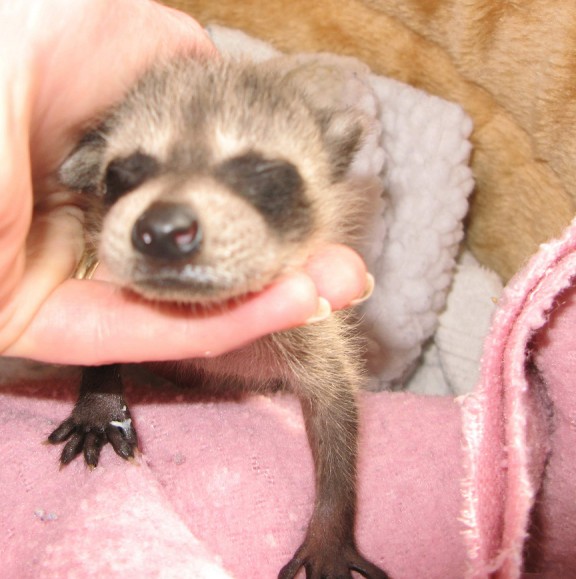
    They are about 2 weeks old, eyes still closed. Their mother was run over and a caring lady took the babies in until she found me to take over. All 3 are in good shape and eating and drinking like they are supposed to.

    I have given them Dontral, a dewormer, which is extremely important to give to raccoon, because they most likely carry a parasite named Baylisascaris, the raccoon roundworm which can infect humans, dogs, cats, and just about every other mammal.

    According to the CDC, Baylisascaris, an intestinal raccoon roundworm, can infect a variety of other animals, including humans. The worms develop to maturity in the raccoon intestine, where they produce millions of eggs that are passed in the feces. Released eggs take 2-4 weeks to become infective to other animals and humans. The eggs are resistant to most environmental conditions and with adequate moisture, can survive for years.


    Apr 20, 2010

    Facts and Stats about Rabies

    FAQs about Rabies in Erath County, Texas

    1. What exactly is rabies?
    Answer:
    Rabies is a contagious virus that can cause death in people and certain animals and is nearly always fatal if not treated in a timely manner.

    2. How is rabies transmitted?
    Answer:
    The rabies virus is usually transmitted through the saliva of an infected animal, most commonly through a bite. The virus can be transmitted from animal to animal, from animal to human, and on rare occasions, from human to human.

    Another way of transmitting the virus, even though highly uncommon, is for saliva or brain tissue from a rabid animal to get directly into the eyes, nose, mouth or open wound of a person or animal.

    However, contrary to common belief, you can’t get rabies from the blood, urine, or feces of an infected animal.

    During my survey, I noted another misconception about rabies transmission. It is not true that an animal can be just a carrier of the rabies virus and transmit it to another animal or humans for weeks, months or even years.

    According to the CDC, "No person in the United States has ever contracted rabies from a dog, cat or ferret held in quarantine for 10 days."

    Before the rabies virus reaches the brain, the animal does not show any symptoms, according to the CDC. The animal does not appear ill during this time, called the incubation period, which may last for weeks or months. During this time period the animal CAN NOT transmit the virus to another animal or person. This is the reason why animals that have bitten a human are held in quarantine for 10 days.

    As the CDC states, " Only late in the disease, after the virus has reached the brain and multiplied there to cause an encephalitis (inflammation of the brain) does the virus move from the brain to the salivary glands and saliva."

    3. What animals are most likely to have rabies?
    Answer:
    All mammals can get rabies. It is most common in un-vaccinated household pets such as dogs, cats and ferrets as well as in livestock such as cattle, and wild animals like skunks, bats, raccoons, coyotes and foxes.

    Small animals like mice, rats, squirrels, and even opossums, are almost never found to be infected with rabies. According to the Centers for Disease Control and Prevention, bites by these animals are usually not considered a risk of rabies unless the animal was sick or behaving abnormally and rabies is a major problem in your vicinity.

    4. How common is rabies in Erath County?
    Answer:
    Officially confirmed rabies cases from 2000 until today include according to the Texas Department of State Health Services Infectious Disease Control Unit:

    Year Rabies Cases Confirmed In Variant
    2000 24 23 skunks, 1 cat Skunk
    2001 27 27 skunks Skunk
    2002 8 6 skunks, 1 goat, 1 horse Skunk
    2003 10 8 skunks, 2 dogs Skunk
    2004 4 2 skunks, 1 bat, 1 cattle Skunk, Bat
    2005 5 3 skunks, 1 cat, 1 cattle Skunk
    2006 2 1 skunk, 1 dog Skunk
    2007 4 3 skunks, 1 cat Skunk
    2008 6 3 skunks, 2 dogs, 1 raccoon Skunk
    2009 5
    3 skunks, 1 cat, 1 raccoon Skunk

    All animals except 1 (the bat in 2004) contracted the virus from an infected skunk.

    5. How can I tell if an animal has rabies?
    Answer:
    The symptoms are not easily recognized because other diseases display similar symptoms. Pets infected with the rabies virus act in unusual ways. Be alert for changes in behavior. A dog that is friendly may avoid people. Mean dogs may act friendly to strangers. Animals may become aggressive, make strange noises or erratic movements, and attack other animals or humans. They may have trouble walking, drinking, swallowing, or chewing. It may not be able to close its mouth, and may appear to be choking. If you see an animal acting like this, call the local animal control agency right away.

    6. What should I do if I had contact with a possibly rabid animal?
    Answer:
    Prompt treatment is required to prevent a rabies infection. First, flush the bite or wound area with water for at least one full minute. Follow up by washing with soap (or detergent if soap is not immediately available) to remove saliva containing the virus. Then apply a disinfectant such as rubbing alcohol, bleach, or iodine tincture directly on the wound and under skin flaps to stop the rabies from being absorbed into the body tissue. Then get to your doctor or an emergency room as soon as possible.

    7. How is rabies diagnosed in animals and humans?
    Answer:
    A direct fluorescent antibody test (dFA) is used to test the brain tissue of animals suspected to be rabid. However, the dFA test can only be performed after the animal has died. For humans, several tests are required to diagnose rabies. Samples of body tissues and fluids - saliva, spinal fluid, serum, and hair follicles - are tested for signs of the rabies virus. Positive results from one test is not proof of rabies, all tests are required for diagnosis.

    8. Can baby animals have rabies?
    Answer:
    Babies born to a healthy rabies-free mother will be rabies free at birth. Babies born to a rabid mother will most likely have rabies, because it is exposed to the mother’s saliva. These babies will probably not survive long enough to go out into the world. Teach your children to never touch wildlife. Call the authorities or your local wildlife rehabilitator if you find a wild baby animal that seems to be orphaned and in need of human intervention.

    9. How do I protect myself and my pets from rabies?
    Answer:

    • Have a veterinarian vaccinate your dogs and cats against rabies. By law, you need to do this every year, or every three years, depending on the type of vaccine used.
    • Keeping your pets vaccinated protects you and them.
    • Keep pets away from wildlife and don’t let them wander loose through the neighborhood.
    • Avoid contact with wild animals and with dogs and cats you do not know. Do not try to hand-feed wild animals and do not keep them as pets.
    • Do not touch sick or injured animals. Call and report them to the authorities.

    10. How do I prevent the spread of rabies?
    Answer:

    Be a responsible pet owner and have all your pets vaccinated once a year.

    • Keep your pets confined and supervised.
    • Spay or neuter your pets to prevent the spread of unwanted and unvaccinated animals straying through your neighborhood.
    • Enjoy wild animals such as raccoons, skunks, and foxes from afar. Do not handle, feed, or attract wild animals with open garbage cans or litter. Do not leave pet food outside!
    • Do not rescue wild animals or bring them into your home. Do not try to raise orphaned wildlife. Call animal control or your local wildlife rehabilitator for assistance.
    Summary

    Provide your pets and livestock with rabies vaccine as advised by your family veterinarian. Keep rabies pet vaccines current.

    Keep pets away from wildlife and don’t let them wander loose through the neighborhood.
    Contact the proper authorities if you see an animal acting strangely. Never attempt to catch or touch the animal unless you are trained.

    If your pet is bitten by an animal, call the animal authorities and take your pet to the vet.

    If a person is bitten by an animal (whether it is from a wild skunk caught foraging in the trash or a nip on the hand from a neighbor’s pet), clean the wound thoroughly and go to your doctor or medical clinic for treatment. Contact the authorities who will try to capture the animal for testing or quarantine.

    Keep contact information handy for notifying the proper authorities about a possible rabid animal in the neighborhood.

    Information and research provided by Birgit Sommer, licensed wildlife rehabilitator in the State of Texas and Director of the Rainbow Wildlife Rescue.

    Sources:


    Additional information:
    When it comes to rabies, ignorance can kill. Not just you or your pets, but innocent and healthy wildlife. Raccoons are the number one wild animal killed for rabies testing. Dogs and cats top the list of domestic animals killed for rabies testing. In both these and other animals, the vast majority are found NOT to have rabies.

    They must pay with their lives because people have possibly been exposed to rabies by them. If these same people had taken precautions against possible exposure to rabies, these animals would still be alive. Don't be responsible for the death of an innocent animal. Learn about rabies and learn how to protect yourself, your family, your pets and our wildlife.

    Raccoon rabies is a strain of rabies carried mainly by raccoons. Raccoon rabies is rabies. It can be spread to farm animals, pets and people through the saliva of an infected animal in the same ways as other strains of rabies. Raccoon rabies kills raccoons, other animals and humans in the same way as other strains of rabies do. The only difference is that it is spread primarily by raccoons.