Showing posts sorted by date for query raccoon. Sort by relevance Show all posts

Apr 20, 2010

Facts and Stats about Rabies

FAQs about Rabies in Erath County, Texas

1. What exactly is rabies?
Answer:
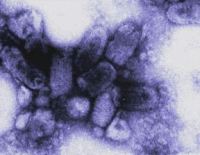
Rabies is a contagious virus that can cause death in people and certain animals and is nearly always fatal if not treated in a timely manner.
2. How is rabies transmitted?
Answer:
The rabies virus is usually transmitted through the saliva of an infected animal, most commonly through a bite. The virus can be transmitted from animal to animal, from animal to human, and on rare occasions, from human to human.

Another way of transmitting the virus, even though highly uncommon, is for saliva or brain tissue from a rabid animal to get directly into the eyes, nose, mouth or open wound of a person or animal.

However, contrary to common belief, you can’t get rabies from the blood, urine, or feces of an infected animal.

During my survey, I noted another misconception about rabies transmission. It is not true that an animal can be just a carrier of the rabies virus and transmit it to another animal or humans for weeks, months or even years.

According to the CDC, "No person in the United States has ever contracted rabies from a dog, cat or ferret held in quarantine for 10 days."

Before the rabies virus reaches the brain, the animal does not show any symptoms, according to the CDC. The animal does not appear ill during this time, called the incubation period, which may last for weeks or months. During this time period the animal CAN NOT transmit the virus to another animal or person. This is the reason why animals that have bitten a human are held in quarantine for 10 days.

As the CDC states, " Only late in the disease, after the virus has reached the brain and multiplied there to cause an encephalitis (inflammation of the brain) does the virus move from the brain to the salivary glands and saliva."

3. What animals are most likely to have rabies?
Answer:
All mammals can get rabies. It is most common in un-vaccinated household pets such as dogs, cats and ferrets as well as in livestock such as cattle, and wild animals like skunks, bats, raccoons, coyotes and foxes.

Small animals like mice, rats, squirrels, and even opossums, are almost never found to be infected with rabies. According to the Centers for Disease Control and Prevention, bites by these animals are usually not considered a risk of rabies unless the animal was sick or behaving abnormally and rabies is a major problem in your vicinity.

4. How common is rabies in Erath County?
Answer:
Officially confirmed rabies cases from 2000 until today include according to the Texas Department of State Health Services Infectious Disease Control Unit:

Year Rabies Cases Confirmed In Variant
2000 24 23 skunks, 1 cat Skunk
2001 27 27 skunks Skunk
2002 8 6 skunks, 1 goat, 1 horse Skunk
2003 10 8 skunks, 2 dogs Skunk
2004 4 2 skunks, 1 bat, 1 cattle Skunk, Bat
2005 5 3 skunks, 1 cat, 1 cattle Skunk
2006 2 1 skunk, 1 dog Skunk
2007 4 3 skunks, 1 cat Skunk
2008 6 3 skunks, 2 dogs, 1 raccoon Skunk
2009 5
3 skunks, 1 cat, 1 raccoon Skunk

All animals except 1 (the bat in 2004) contracted the virus from an infected skunk.

5. How can I tell if an animal has rabies?
Answer:
The symptoms are not easily recognized because other diseases display similar symptoms. Pets infected with the rabies virus act in unusual ways. Be alert for changes in behavior. A dog that is friendly may avoid people. Mean dogs may act friendly to strangers. Animals may become aggressive, make strange noises or erratic movements, and attack other animals or humans. They may have trouble walking, drinking, swallowing, or chewing. It may not be able to close its mouth, and may appear to be choking. If you see an animal acting like this, call the local animal control agency right away.

6. What should I do if I had contact with a possibly rabid animal?
Answer:
Prompt treatment is required to prevent a rabies infection. First, flush the bite or wound area with water for at least one full minute. Follow up by washing with soap (or detergent if soap is not immediately available) to remove saliva containing the virus. Then apply a disinfectant such as rubbing alcohol, bleach, or iodine tincture directly on the wound and under skin flaps to stop the rabies from being absorbed into the body tissue. Then get to your doctor or an emergency room as soon as possible.

7. How is rabies diagnosed in animals and humans?
Answer:
A direct fluorescent antibody test (dFA) is used to test the brain tissue of animals suspected to be rabid. However, the dFA test can only be performed after the animal has died. For humans, several tests are required to diagnose rabies. Samples of body tissues and fluids - saliva, spinal fluid, serum, and hair follicles - are tested for signs of the rabies virus. Positive results from one test is not proof of rabies, all tests are required for diagnosis.

8. Can baby animals have rabies?
Answer:
Babies born to a healthy rabies-free mother will be rabies free at birth. Babies born to a rabid mother will most likely have rabies, because it is exposed to the mother’s saliva. These babies will probably not survive long enough to go out into the world. Teach your children to never touch wildlife. Call the authorities or your local wildlife rehabilitator if you find a wild baby animal that seems to be orphaned and in need of human intervention.

9. How do I protect myself and my pets from rabies?
Answer:

  • Have a veterinarian vaccinate your dogs and cats against rabies. By law, you need to do this every year, or every three years, depending on the type of vaccine used.
  • Keeping your pets vaccinated protects you and them.
  • Keep pets away from wildlife and don’t let them wander loose through the neighborhood.
  • Avoid contact with wild animals and with dogs and cats you do not know. Do not try to hand-feed wild animals and do not keep them as pets.
  • Do not touch sick or injured animals. Call and report them to the authorities.

10. How do I prevent the spread of rabies?
Answer:

Be a responsible pet owner and have all your pets vaccinated once a year.

  • Keep your pets confined and supervised.
  • Spay or neuter your pets to prevent the spread of unwanted and unvaccinated animals straying through your neighborhood.
  • Enjoy wild animals such as raccoons, skunks, and foxes from afar. Do not handle, feed, or attract wild animals with open garbage cans or litter. Do not leave pet food outside!
  • Do not rescue wild animals or bring them into your home. Do not try to raise orphaned wildlife. Call animal control or your local wildlife rehabilitator for assistance.
Summary

Provide your pets and livestock with rabies vaccine as advised by your family veterinarian. Keep rabies pet vaccines current.

Keep pets away from wildlife and don’t let them wander loose through the neighborhood.
Contact the proper authorities if you see an animal acting strangely. Never attempt to catch or touch the animal unless you are trained.

If your pet is bitten by an animal, call the animal authorities and take your pet to the vet.

If a person is bitten by an animal (whether it is from a wild skunk caught foraging in the trash or a nip on the hand from a neighbor’s pet), clean the wound thoroughly and go to your doctor or medical clinic for treatment. Contact the authorities who will try to capture the animal for testing or quarantine.

Keep contact information handy for notifying the proper authorities about a possible rabid animal in the neighborhood.

Information and research provided by Birgit Sommer, licensed wildlife rehabilitator in the State of Texas and Director of the Rainbow Wildlife Rescue.

Sources:


Additional information:
When it comes to rabies, ignorance can kill. Not just you or your pets, but innocent and healthy wildlife. Raccoons are the number one wild animal killed for rabies testing. Dogs and cats top the list of domestic animals killed for rabies testing. In both these and other animals, the vast majority are found NOT to have rabies.

They must pay with their lives because people have possibly been exposed to rabies by them. If these same people had taken precautions against possible exposure to rabies, these animals would still be alive. Don't be responsible for the death of an innocent animal. Learn about rabies and learn how to protect yourself, your family, your pets and our wildlife.

Raccoon rabies is a strain of rabies carried mainly by raccoons. Raccoon rabies is rabies. It can be spread to farm animals, pets and people through the saliva of an infected animal in the same ways as other strains of rabies. Raccoon rabies kills raccoons, other animals and humans in the same way as other strains of rabies do. The only difference is that it is spread primarily by raccoons.

Feb 19, 2010

Wildlife Rehabilitation in America


Wildlife Rehabilitation in America


What is a wildlife rehabilitator?

A wildlife rehabilitator is a person licensed by their State to take in orphaned and injured wildlife for the general public, as required by the State. Orphaned baby animals will be raised properly and injured or ill critters are rehabilitated. Your main responsibility is to the animals you are caring for. The goal is to get these animals back into the wild where they are supposed to be, and want to be. That's what it is all about...the animals remaining wild. Wanting them to be pets is not what they want!


Documentary: Wildlife Rehabilitation in America Part 1


Working with wildlife is very different from working with domesticated pets. Where it's ok to hold an orphaned kitten or puppy to comfort it when it's missing it's mother, it's not ok to hold a cottontail rabbit for example, because it can die of fear in an instant.

Keeping handling and human exposure to a minimum is vital for the animals' survival in the wild later on.

How do you get the animals?

We receive calls from people like you who came across an animal that appeared to be in need of human intervention. We often receive animals from the local Animal Control Agencies, Game Wardens, Businesses, Police Departments, Sheriff Offices, Veterinary Clinics and Animal Shelters.

Why do animals end up with a wildlife rehabber and what kind?

Animals end up with a wildlife rehabilitator for various reasons. It can be a baby squirrel that fell out of a nest, usually after a storm, and found by school kids; a songbird that flew into a window and has a concussion and needs a safe place to recover; an opossum mother hit by a car with living babies in the pouch that caring individuals saved and brought to us; a baby raccoon sitting next to his dead mother on the side of the road crying; the litter of cottontail rabbits whose mother fell victim to a lawn mower or a wild animal hurt by our dogs and cats...the stories are endless.


Documentary: Wildlife Rehabilitation in America Part 2


What do you do with them?

In the case of infant critters where a re-union with the mother has been ruled out, they will be raised and taught how to relate to others of their species, given a chance to develop their survival skills, know what their predators are, and how to find food and shelter before they will be released back into the wild.

What about injured animals? Do you have medical training?

Even though wildlife rehabilitators have to go through training and study as much as possible, they are not veterinarians and have to seek professional medical assistance in case of an injured animal, such as an owl with a broken wing or a deer hit by a car with a leg fracture; a raccoon caught by a dog covered in bite wounds; a squirrel with bb gun pellets in its back...again, the stories are endless.

Unfortunately not every vet clinic is willing or capable of assisting wildlife rehabilitators with these animals for various reasons.

If the injuries are too severe, the only option left is to euthanize the animal to shorten their suffering.
If the injuries are not life threatening, we triage the animal, provide everything that goes along with healing the wounds and providing the proper care, nutrition and housing until the animal is ready to be returned to the wild.

What else does a wildlife rehabber do besides caring for wildlife?

Another important part of being a wildlife rehabilitator is dealing with the public. Once spring starts and the first animals of the season, usually squirrels, are being born, the calls are coming in about pink hairless babies found on the ground. There are a lot of caring folks out there that go the extra mile to help out that infant and take it to a licensed wildlife rehabilitator or wildlife facility.

A lot of people attempt to care for these animals on their own and only call us when they see that their approach didn't work. Sadly, at that point it is often too late for us to help.

Many folks proudly explain all the things they have done wrong, believing they did everything right, which doesn't make it necessarily easy to educate them without coming across as criticizing. Busting old wife's tales takes a lot of our time, that is why I am here now.

We often get calls from rude people that are trying to threaten or ridicule us, seem to enjoy grossing us out with the gory details of their hunting stories, or tell us they will kill the animal if we don't come right now and pick it up. Fact is that most of us home based rehabilitators can't just rush out and drive around to pick up animals.

Who will take care of the critters we already have? The focus has to be on the animals already there. We are happy to take in critters, but we are so grateful when people can bring them to us. We simply don't have the resources to do everything they expect us to do, but the majority of people that call want to help and don't mind the transporting the critter.

Can I make a lot of money being a wildlife rehabilitator?

Most wildlife rehabilitators these days are home based. We can't charge for anything we do because these are State owned animals, so we survive strictly on donations. If you are in this for the money you will be disappointed.

It's a life style, a passion and a commitment, and most rehabilitators front the bills out of their own pockets and don't get paid anything. Some things just can't be weighed in money...but knowing at the end of the day that you are doing the right thing is more rewarding than a fancy car to most of us.

Wildlife Rehabilitation used to be more of a hobby than a profession back in the days, but times and laws have progressed. The government requires us to be trained in order to obtain the necessary permits, provide proper facilities which are subject to inspection in most states, provide release sites, even pay for our own pre-exposure rabies shots.

Fortunately, more national and international organizations are working on research and studies benefiting our local wildlife, and offer rehabilitators extended training courses.

Some rehabilitators establish a wildlife center in their area, usually a nonprofit based organization because the government does not financially support wildlife rehabilitation. Yet. That's why there are not many independent wildlife facilities in America, most are connected to colleges or vet clinics, so paid jobs in this field are still hard to find.

How do I get a wildlife rehabilitation permit?

There are permits you have to obtain from your State for mammal rehabilitation. If you also want to rehabilitate birds, you will need a federal permit from the US Fish and Wildlife in addition to the State permit. That's for nearly all types of birds from songbirds to birds of prey.

Different agencies are responsible for issuing wildlife rehabilitation permits and requirements also vary from state to state. In some states the department of natural resources is in charge of wildlife rehab permits, in other states it's the parks and wildlife department or fish and wildlife commission. You will find direct links to each State's application on our website at www.wildlife-education.com .

In almost all states it is illegal to take an animal out of the wild and attempt to treat it on your own, no matter what your motives are. Even if you plan to release it later on back into the wild, it's most likely not going to happen if you don't know what you are doing.

Can everybody become a wildlife rehabilitator?

As a wildlife rehabber you have to be a very strong and determined person. There is a lot of frustration involved when dealing with the public and administrative side of this vocation. It's about hard work, long hours, no weekends or holidays and never enough money, and also a lot of emotional and heartbreaking cases where you have done everything you can but still can't save an animal.

All we can do then is to provide a warm, safe place for an animal to die. However, being able to work with wild animals that most people don't even get to see up close, to touch them safely, heal them, and see them be free again…that is a privilege to most rehabbers. Knowing they made a difference and got this animal back to where it belongs is worth all the efforts, expense, and even the heartaches.

How much does it cost?

In addition to the required permits you will need a lot of items ranging from inside cages and incubators to outside enclosures and habitats. You'll be using medical supplies, syringes, nipples, wound care supplies, bottles, feed, blankets, towels, educational material, different formulas for different species, bedding, building supplies, volunteers, fundraising skills, time for education, and not to forget your own family and social life. In other words, a LOT!

It really helps if you are good with basic business skills so you can be professional in what you do with the public, organize fundraising events and such.

Be proud

Some folks find the idea of wildlife rehabilitation ridiculous or claim it's "messing with nature". These folks neglect to see that most wildlife related calls that require our human intervention ARE the direct result of unnatural conditions such as careless behavior of people, toxins, poisons, automobiles, guns, traps, lawn mowers, to name just a few.

Often we are confronted with animals that have suffered traumatic wounds and horrific injuries. Some animals come in poisoned, shot, injured by cars and left for dead by humans. The stories and cases are endless and heartbreaking. THAT is called “messing with nature” and careless humans do it everyday, whether we mean to do harm or not.

We, as wildlife rehabilitators, are dedicated warriors on the front lines between suburban development and natural habitat and are grateful for every bit of support we can get. Thank you!

Feb 8, 2010

Raccoon Illegal Possession Survey

This survey will assist in determining approximately how many people raise raccoons and under what circumstances. Any information you can provide would be helpful. You may remain anonymous if you choose to do so. We simply need honest responses. To receive Wildlife Coalition newsletter please check the yes box.

http://www.lawbreakersanonymous.com/raccoonsurvey.htm

Please everybody, fill this out. You will remain ANONYMOUS!

Jan 5, 2010

How to make a Donation to the Rainbow Wildlife Rescue


Donate using Paypal Donate using
Make a Donation with Paypal!
Please select an amount:

GuideStar

OR

Mail Check or Money Order to: Order and/or send Items directly to:

Rainbow Wildlife Rescue
502 E. Clifton
Stephenville, TX 76401

Become a Member (coming soon) Sponsor an Animal (coming soon)
Honor Giving (coming soon) Buy Wildlife Merchandise (coming soon)
Pixel Fundraiser (coming soon) Raffle (coming soon)


The Rainbow Wildlife Rescue is a 501(c)(3) non-profit charitable organization. All donations are tax deductible! For more information please call (254) 968-4626 or email me (Birgit Sommer) at help@rainbowwildlife.com.

How much does it all cost???

A LOT! The Rainbow Wildlife Rescue went through over 50 lbs of Esbilac and KMR milk replacers in 2009, that's close to $3000 alone.

We spent a lot more on medical supplies, bottles, cleaning supplies, caging, bedding, canned food, dried feed, meat and fresh produce, live food, repairs, maintenance, and not to forget the utility bills that are 3 times as high than average when the rescue is full and the phone bill, which also triples during baby season.

About 30% of the cost were covered by donations and online fundraisers. A HUGE THANK YOU to everybody that had the heart and means to support our efforts!

The remaining 70% I earned with online jobs such as web design and hosting, site maintenance, translations, article writing, graphic design, etc.

Even though I enjoy these jobs, I'd wish I could spend that time focusing on the animals and education instead of earning the money for feeding them. This is where I need your help.

The following points are a few examples of how your donation can help:

  • $1000 helps with the utilities and phone bill for 3 months
  • $ 500 pays for raising and vaccinating an 2 infant raccoons
  • $ 250 will feed a litter of opossums from infant to release
  • $ 100 will provide infant formula for 3 squirrels
  • $ 50 provides bird food from nestling to adult
  • $ 40 pays for a 30 lbs bag of Premium dog food
  • $ 20 covers the de-wormer to fight internal parasites in 1 raccoon
  • $ 10 provides fresh produce for most critters for 2 days

Items Wishlist

Top Priority Items:

  • A laptop or netbook computer for educational, administrative and presentation purposes.
  • Fencing Material (lattice, privacy panels, chain link, fence posts and poles, concrete)
  • Green House Frame for a flight cage for songbirds (minimum size 6' width, 8' length, 8' height)
  • Incubators
  • Petfood and Catlitter (KMR and Esbilac Milkreplacers, Premium dog/puppy and cat/kitten food, dry and cans. Premium means that the top 3 ingredients on the label MUST contain real meat, not by-products, e.g. IAMS ProActive has real chicken as first ingredient.)

Also needed:

  • Committed Volunteers, including Rehabbers & Veterinarians
  • Release sites in Erath County
  • 4 or 5 ft tall ferret type cages with 1/2 to 1 inch gaps
  • Small and large bird cages
  • Hamster cages
  • Guinea pig cages
  • Fish tanks with lids
  • Terrariums
  • Infant medical supplies
  • Wild bird and sunflower seed
  • Nuts, Pecans
  • Pedialyte
  • Storage bins with lids
  • Paper towels, large trash bags, zip lock freezer bags, laundry detergent, bleach

Medical Supplies (for the Vets):

  • Incubators
  • Infant Amoxil
  • Clavamox
  • Pedialyte
  • Lactated ringers
  • Bene-Bac
  • De-womers (Drontal, Strongid)
  • Topical eye antibiotic cremes
  • Wound care supplies
  • Frontline, Advantage, Advantix etc
  • Capstar
  • Syringes with tiny needles
  • Tiny feeding tubes
  • IV tubes
  • Pain meds
  • Calming meds
  • De-congestant
  • Vaccinations (feline and canine)
  • Anti fungal meds (oral and topical)
  • Burn treatment

Happy New Year 2010 and Thank You

Rainbow Wildlife Rescue
Happy New Year 2010 and Thank You!
My name is Birgit Sommer. I am a licensed wildlife rehabilitator for the State of Texas, managing director of the Rainbow Wildlife Rescue in Stephenville, TX , as well as the vice president and foster parent for the Erath County Humane Society.

We have raised $600 out of the $5000 that is needed before the start of the 2010 orphaned baby animal season, which will begin usually around mid February. Thank you soooo much!!!!

During these economically tough times I realize that there is not much money left to donate to charity, so let me share with you some items the Rainbow Wildlife Rescue needs that you might have and don't need anymore:

The top 5 most needed times are (extended wish list below):

  • A laptop or netbook computer for educational, administrative and presentation purposes.

  • Fencing Material (lattice, privacy panels, chain link, fence posts and poles, concrete)

  • Green House Frame for a flight cage for songbirds (minimum size 4' width, 8' length, 8' height)

  • Incubators

  • Petfood and Catlitter (KMR and Esbilac Milkreplacers, Premium dog/puppy and cat/kitten food, dry and cans)

I, like many other licensed wildlife rehabilitators, work out of my own home and volunteer my time and just about every spare cent I can gather towards animal rescue efforts and public education.

No local or state funding is available for animal caging, veterinary care, medicine and food. That's why most rehabilitators gratefully accept donations towards the care of animals they receive from the public.

Orphaned Squirrels
Different Ways to Donate

The following are a few examples of how your donation can help:

  • $1000 helps with the utilities for 3 months
  • $ 500 pays for raising and vaccinating an infant raccoon
  • $ 250 will feed a litter of opossums from infant to release
  • $ 200 will provide a new large cage
  • $ 100 will provide infant formula for 3 squirrels
  • $ 75 provides bird food from nestling to adult
  • $ 50 pays for enough Capstar to rid 5 new arrivals of external parasites
  • $ 25 covers the de-wormer to fight the internal parasites
  • $ 10 provides fresh produce for most critters for 2 days
  • $ 5 pays for the bedding for 1 outside enclosure for 1 week
PAYPAL for MEDICAL or MILK REPLACER FUND
Paypal Email to use: webmaster@rainbowwildlife.com
or click Button below:
PayPal - The safer, easier way to pay online!
Support the Rainbow Wildlife Rescue

Or mail a Check, Moneyorder or Items to:

Rainbow Wildlife Rescue
502 E. Clifton Street
Stephenville, TX 76401

Phone: (254) 968 - 4626
Email: help@rainbowwildlife.com


If you prefer to contribute directly to the MEDICAL FUND, contact the

Ark Veterinary Hospital
5613 S. US HWY. 377
Stephenville, Texas 76401

Phone: (254) 968 - 7916

Wish list
  • Committed Volunteers, including Rehabbers & Veterinarians
  • Release sites in Erath County
  • 4 or 5 ft tall ferret type cages with 1/2 to 1 inch gaps for small opossums and squirrels.
  • Small and large bird cages
  • Hamster cages
  • Guinea pig cages
  • A laptop or netbook computer for educational, administrative and presentation purposes.
  • Fencing Material (lattice, privacy panels, chainlink, poles, concrete)
  • Green House Frame for a flight cage for songbirds (minimum size 4' width, 8' length, 8' height)
  • Incubators
  • Petfood and Catlitter (KMR and Esbilac Milkreplacers, Premium dog/puppy and cat/kitten food, dry and cans)
  • Fencing materials and lumber
  • Infant medical supplies
  • Wild bird and sunflower seed
  • Nuts, Pecans
  • Pedialyte
  • Storage bins with lids
  • Paper towels, large trash bags, zip lock freezer bags, laundry detergent, bleach, and much, more more.
Erath County Humane Society Animal Shelter

I do want to mention the ECHS, since I was recently voted vice president and take in foster animals on regular basis. I also try to keep the Adoption List on petfinder.com up to date.

Don't Buy, Adopt a Pet

Don't Buy, Adopt a Pet!

Whether you adopt a pet from a local animal shelter, rescue organization, or human society, it doesn't matter because you're saving lives! You probably want to adopt just one kitten or cat, right? Adoption saves more than just the life of the pet you adopt.

If you adopt from an animal shelter, you're making room for another dog or cat, or you're allowing other dogs or cats at the shelter to be kept for a longer period of time, giving them a better chance at being adopted.

If you adopt from a humane society or a rescue organization, you're allowing that organization to rescue another dog or cat for adoption at a public shelter, which, of course, saves the life of that little guy plus the lives of others at that shelter by creating space so new pets can be kept longer. As you can see, adoption is truly a continuous cycle of saving lives and it's the right thing to do!

Birgit Sommer's Websites:

Critter Blog with regular Updates - Kittenbaby.com - Puppy Education - Funny Animal E-Cards - Squirrel Rescue Texas - Rainbow Wildlife Rescue in Texas - Pets and Wildlife Forum - Magic Postcards - MissDolittle on YouTube - Stephenville Dog Park - Webdesign in Support of the Rescue

Dec 21, 2009

How much does it cost? Rainbow Wildlife Rescue 2009

Rainbow Wildlife Rescue

2009 at the Rainbow Wildlife Rescue

221 animals were admitted to the RWR


My name is Birgit Sommer. I am a licensed wildlife rehabilitator for the State of Texas, director of the Rainbow Wildlife Rescue in Stephenville, TX , as well as the vice president and foster parent for the Erath County Humane Society.

I, like many other licensed wildlife rehabilitators, work out of my own home and volunteer my time and just about every spare cent I can gather towards animal rescue efforts and public education.

PayPal - The safer, easier way to pay online!
Support the Rainbow Wildlife Rescue

No local or state funding is available for animal caging, veterinary care, medicine and food. That's why most rehabilitators gratefully accept donations towards the care of animals they receive from the public.

Birgit Sommer saying Good-bye to Ian
Birgit Sommer releases a raccoon back into the wild.
Merry Christmas
Merry Christmas

2009 has been quite a year for the Rainbow Wildlife Rescue!!

Merry Christmas We are now officially a 501(c)3 nonprofit organization!!!! That means that all donations are tax exempt!
Merry Christmas Over 220 animals made it through the Rainbow Wildlife Rescue in 2009. Unfortunately I had to turn at least 5 times as many away, which will hopefully change next year. More than 80% of the critters survived and were either released back into the wild or transferred to other facilities!
Merry Christmas We had a beaver, a few reptiles such as turtles and snakes, our share of cottontail rabbits, over 40 opossums, 11 raccoons, about 50 squirrels, nearly 70 birds, and not to forget the foster care for the Erath County Humane Society animal shelter counting 17 puppies and 43 kittens. I had a LOT of help with the kittens and the squirrels. Thank you Loree B.!
Merry Christmas Eight newspaper articles have been published about or by the Rainbow Wildlife Rescue in the Empire Tribune and the Abilene Reporter.
Merry Christmas The first sub-permittee/trainee will be added to my state wildlife rehabilitation permit and a board of directors is in the process of being put together.
Merry Christmas Plans for next year include focus on education, training more future wildlife rehabilitators, extending the rescue, getting the community involved and hopefully being able to help more animals than this year.
Merry Christmas This fall, I was voted vice president of the Erath County Humane Society. There are also big plans for 2010 that will hopefully include a new animal shelter which is attractive and convenient to the community as well as providing us with the means to save the lives of more animals.
Merry Christmas I also hope to see plans for the already discussed Stephenville Dog Park finalized.
Merry Christmas For more detailed updates, links to photos, movies and stories, please continue reading below.

Merry Christmas

Merry Christmas

How much does it all cost???

A LOT! To give you an idea, the Rainbow Wildlife Rescue went through over 50 lbs of Esbilac and KMR milk replacers, that's close to $3000 alone.

We spent a lot more on medical supplies, bottles, cleaning supplies, caging, bedding, canned food, dried feed, meat and fresh produce, live food, repairs, maintenance, and not to forget the utility bills that are 3 times as high than average when the rescue is full. The washing machine and dryer are always running and probably have to be replaced next year. The same goes for the 20 year old hot water heater which is making scary noises.

Everything put together we spent at least $10 000 on the animals this year.

About 30% of the cost were covered by donations and online fundraisers. A HUGE THANK YOU to everybody that had the heart and means to support our efforts!

The remaining 70% I earned with online jobs such as web design and hosting, site maintenance, translations, article writing, graphic design, etc.

It was rough. So this year I'm hoping to start early with the fundraising and prepare!

Merry Christmas

Merry Christmas

How YOU can help!

We need to raise about $5000 before baby season starts coming spring 2010. The first orphaned squirrels usually arrive mid February. By then I would like to have the MILKREPLACER FUND covered, which is the most important item on my list. I have planned to switch to Fox Valley this year due to a lot of controversy this year over KMR and Esbilac.

There are a few different ways you can donate.
Remember, all donations are tax-deductible!

PayPal - The safer, easier way to pay online!
Support the Rainbow Wildlife Rescue

  • Paypal (accepts credit cards) (click above button to make a contribution)
  • Mail a Check (physical address is provided below)
  • Send needed supplies directly to us (wish list and physical address below)
  • Donate directly to the Vet Clinic for the MEDICAL FUND (contact info below)

The following are a few examples of how your donation can help:

  • $1000 helps with the utilities for 3 months
  • $ 500 pays for raising and vaccinating an infant raccoon
  • $ 250 will feed a litter of opossums from infant to release
  • $ 200 will provide a new large cage
  • $ 100 will provide infant formula for 3 squirrels
  • $ 75 provides bird food from nestling to adult
  • $ 50 pays for enough Capstar to rid 5 new arrivals of external parasites
  • $ 25 covers the de-wormer to fight the internal parasites
  • $ 10 provides fresh produce for most critters for 2 days
  • $ 5 pays for the bedding for 1 outside enclosure for 1 week
Merry Christmas

Wish list

Merry Christmas Committed Volunteers, including Rehabbers & Veterinarians
Merry Christmas Release sites in Erath County
Merry Christmas 4 or 5 ft tall ferret type cages with 1/2 to 1 inch gaps for small opossums and squirrels.
Merry Christmas Small and large bird cages
Merry Christmas Hamster cages
Merry Christmas Guinea pig cages
Merry Christmas Green house frame (I have the avian mesh to turn it into a flight cage)
Merry Christmas Fencing materials and lumber
Merry Christmas Infant medical supplies
Merry Christmas Wild bird and sunflower seed
Merry Christmas Nuts, Pecans
Merry Christmas Dry and canned cat or dog food
Merry Christmas Cat litter
Merry Christmas Pedialyte
Merry Christmas Storage bins with lids
Merry Christmas Paper towels, large trash bags, zip lock freezer bags, laundry detergent, bleach, and much, more more.

Merry Christmas
Merry Christmas

Please send your tax-deductible
donation to:

PAYPAL for MEDICAL or MILK REPLACER FUND

Paypal Email to use: webmaster@rainbowwildlife.com

or click Button below:

PayPal - The safer, easier way to pay online!
Support the Rainbow Wildlife Rescue

Merry Christmas

Or mail a check or moneyorder to:

Rainbow Wildlife Rescue
502 E. Clifton Street
Stephenville, TX 76401
Phone: (254) 968 - 4626
Email: help@rainbowwildlife.com

Merry Christmas

If you prefer to contribute directly to the MEDICAL FUND, please contact the

Ark Veterinary Hospital
5613 S. US HWY. 377
Stephenville, Texas 76401
Phone: (254) 968 - 7916

Merry Christmas
Merry Christmas

Stories, Pictures, Movies

Here is a collection of blog entries, links to youtube movies and newspaper articles related to the Rainbow Wildlife Rescue and Erath County Humane Society:

Maynard and his Mom

Missing Dog reunited with owner after nearly 3 Years!
Find out how Maynard found his way to the Erath County Humane Society and became one of the greatest Christmas miracles!


Orphaned Raccoon

Raccoons
Read blog entries about orphaned raccoons that grew up at the Rainbow Wildlife Rescue in 2009. Including pictures, movies and heartwarming stories. For more information on raccoons please visit my Animal Forum!


Orphaned Squirrel

Squirrels Squirrels Squirrels!
Over 50 squirrels passed through the Rainbow Wildlife Rescue this year. Read some of the stories. For more information on squirrels, please visit my Squirrel Education Website.


Orphaned Opossum

Opossums
Thanks to more folks learning about America's only marsupials, more orphaned opossums where found and taken to the rescue than ever before. For more information on opossums please visit the Rainbow Wildlife Rescue Website.


Orphaned Cottontail Rabbits

Cottontail Rabbits
We also had our share of orphaned Cottontail rabbits this year. For more information on Cottontails please visit the following Link.


Laughing Puppy

Dogs and Puppies
I fostered quite a few puppies and adult dogs this year. Since I picked up on Cesar Milan's lessons, things are working even better! For more information on puppies please visit our Puppy Education Website.


Orphaned Kitten

Cats and Kittens
Watch the LOLcatZ Movie featuring the latest fostercare kitten Laila meeting Oliver, my Great Dane! More stories, pictures and movies are also shown. For more information on cats and kittens and LOLcatZ postcards, please visit my Kitten Education Website.


wildlife-education

*** New Website in the Making! ***

Wildlife-Education.com

This site will include articles and educational material about this planet's wildlife from national and international animal professionals and much more.

Merry Christmas

A personal note about wildlife rehabilitation

Some folks find the idea of wildlife rehabilitation ridiculous or claim it's "messing with nature". These folks neglect to see that most wildlife related calls that require our human intervention ARE the direct result of unnatural conditions such as careless behavior of people, toxins, poisons, automobiles, guns, traps, lawn mowers, to name just a few.

Often we are confronted with animals that have suffered traumatic wounds and horrific injuries. Some animals come in poisoned, shot, injured by cars and left for dead by humans. The stories and cases are endless and heartbreaking.

We also have to deal with ignorant folks that are proud of doing all the wrong things and are trying to educate everybody that listens. We have to comfort the crying children and their thankful moms for having found somebody to take the critter to instead of having their kids to watch it die.

In addition to everything we have to come up with the funds and care for the animals. I have written a funny story about how much work this really is. It's called "When a Wildlife Rehabber has to pee".

Merry Christmas
Merry Christmas

Erath County Humane Society Animal Shelter

I do want to mention the ECHS, since I was recently voted vice president and take in foster animals on regular basis. I also try to keep the Adoption List on petfinder.com up to date.

Don't Buy, Adopt a Pet

Don't Buy, Adopt a Pet!

Whether you adopt a pet from a local animal shelter, rescue organization, or human society, it doesn't matter because you're saving lives! You probably want to adopt just one kitten or cat, right? Adoption saves more than just the life of the pet you adopt.

If you adopt from an animal shelter, you're making room for another dog or cat, or you're allowing other dogs or cats at the shelter to be kept for a longer period of time, giving them a better chance at being adopted.

If you adopt from a humane society or a rescue organization, you're allowing that organization to rescue another dog or cat for adoption at a public shelter, which, of course, saves the life of that little guy plus the lives of others at that shelter by creating space so new pets can be kept longer. As you can see, adoption is truly a continuous cycle of saving lives and it's the right thing to do!

Merry Christmas

Birgit Sommer's Websites:

Critter Blog with regular Updates - Kittenbaby.com - Puppy Education - Funny Animal E-Cards - Squirrel Rescue Texas - Rainbow Wildlife Rescue in Texas - Pets and Wildlife Forum - Magic Postcards - MissDolittle on YouTube - Stephenville Dog Park - Webdesign in Support of the Rescue

Merry Christmas